Our Vision for Gwadar
The gateway is being built
Some cities grow. A few are summoned by geography itself. Gwadar is being summoned, and Pakistan is answering.
What we see from this coastline
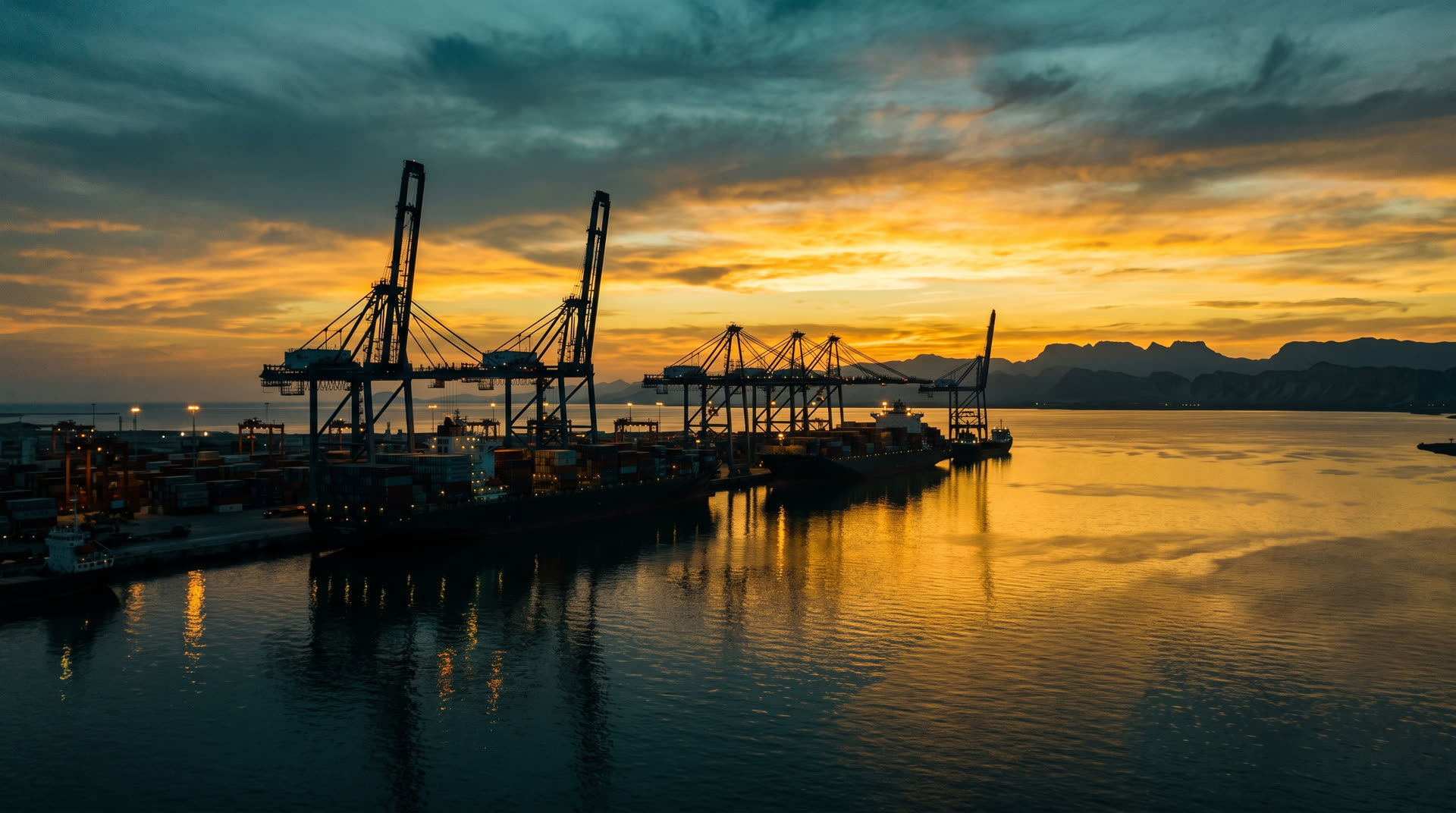
Stand on the Makran shore at dusk and you can read the next fifty years: ships waiting off the deepest port on the Arabian Sea, runway lights of a new international airport, survey markers of an oil city, and the long gold line of the coastal highway running east to Karachi. Trade, energy, tourism, and industry are converging on one small hammerhead of land. Our vision is simple: when that future arrives, it should find a city already worthy of it.
Four currents, one tide
Gwadar holds a natural deep-sea harbour, positioned near the Strait of Hormuz on one of the world's busiest energy routes. As its berths expand, the city around it becomes the region's front door.
As the seaward anchor of the China-Pakistan Economic Corridor, Gwadar links western China and Central Asia to warm water. Roads, rail, and the free zone are drawing trade through this coastline.
The New Gwadar International Airport, one of the largest in Pakistan by area, opens the city to direct international connections, fifteen minutes from our gate.
Beaches, headlands, and desert mountains give Gwadar what few port cities have: a reason to visit that has nothing to do with cargo. Tourism is the city's quiet second engine.
Our part in it
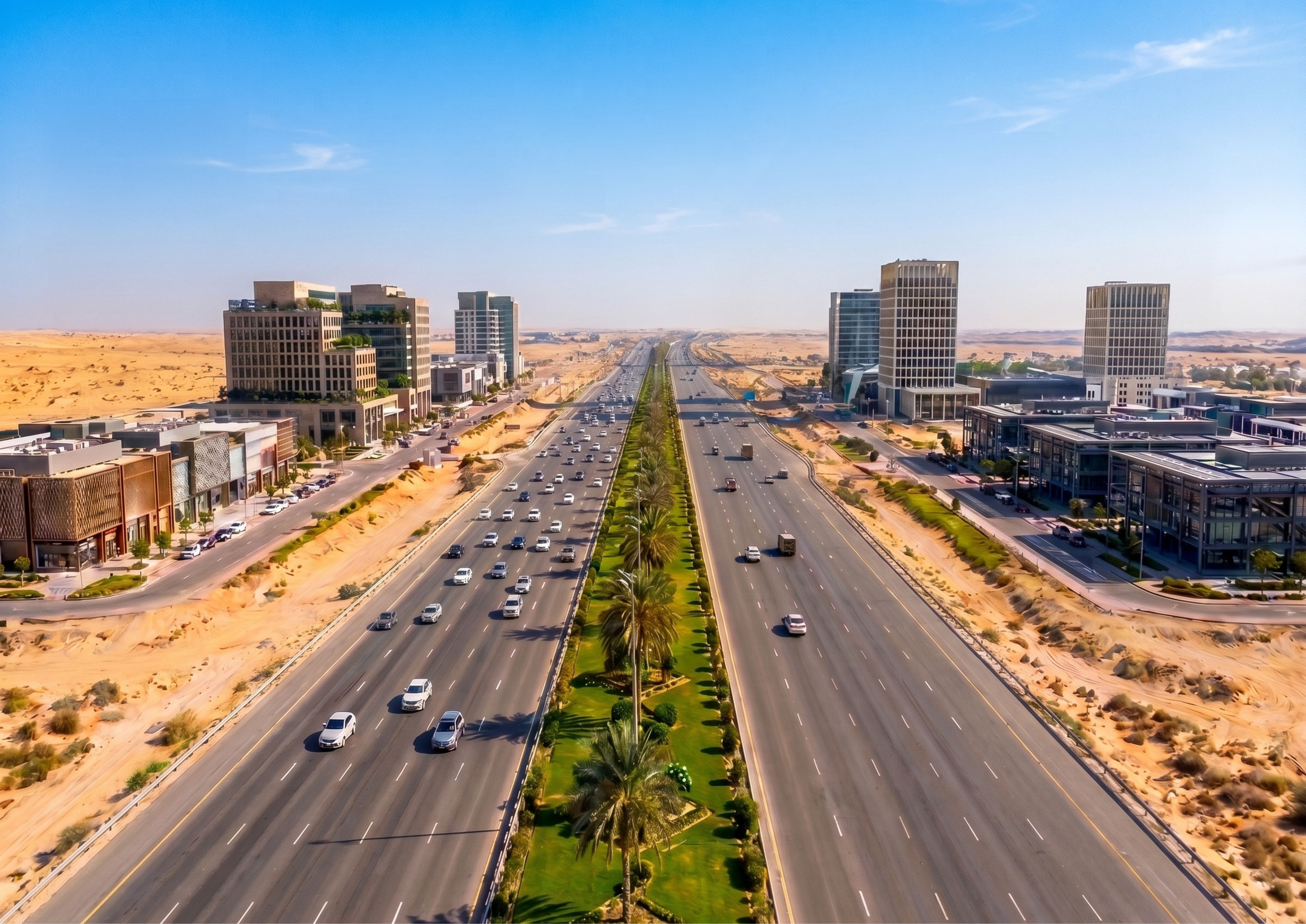
White Pearl City is how we contribute: a 220-acre district planned for the people this future will bring. Sustainable water and power planning, underground utilities, green belts that shade the walk to school, and a masterplan approved before the first plot was offered.
We are not speculating on Gwadar's rise. We are preparing for it.